

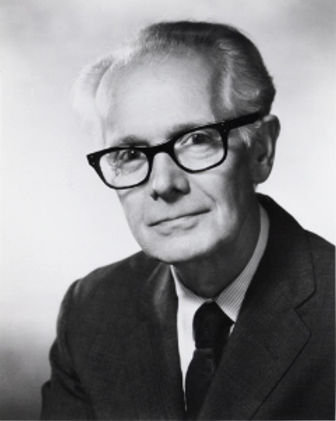
Introduction to Heinz Kohut and Self Psychology
Heinz Kohut, born on March 3, 1913, in Vienna, Austria, emerged as a significant figure in the field of psychology, known primarily for founding the discipline of self psychology. His early life was marked by a combination of personal challenges and rich intellectual influences, leading him to engage deeply with the intricacies of human experience. After obtaining his medical degree at the University of Vienna, Kohut immigrated to the United States in 1938 to escape the rising tide of anti-Semitism in Europe. His professional journey in the U.S. provided him with a platform to develop and articulate his innovative ideas concerning the human self and relational dynamics.
In the historical context of the psychoanalytic tradition, Kohut’s theories were revolutionary. Prior to his work, psychoanalysis predominantly concentrated on the drives and internal conflicts of the mind, primarily influenced by Sigmund Freud’s theories. In contrast, Kohut emphasized the importance of interpersonal relationships and the development of the self through these connections. His seminal work, particularly “The Analysis of the Self” published in 1971, illuminated the crucial role of empathy and validation in the formation of the self, challenging the reductionist views that characterized earlier psychoanalytic thought.
Self psychology posits that psychological health is contingent upon the successful development and maintenance of a cohesive self-structure, which is largely nurtured through relational experiences with others, especially primary caregivers. Kohut identified what he termed “selfobject” experiences – integral relationships that serve to fulfill the self’s needs for support, mirroring, and idealization. This shift from drive theory to self-development emphasizes the complexity of human interactions and their profound effect on psychological well-being, laying the foundation for further exploration in relational and developmental psychology.
The Importance of Empathy and Mirroring
Heinz Kohut, the founder of self psychology, brought significant attention to the concepts of empathy and mirroring in the therapeutic context. Empathy, in Kohut’s framework, is understood as the capacity to deeply connect with and resonate with another individual’s emotional state. This connection is fundamental in fostering a therapeutic alliance, allowing clients to feel seen and understood. By employing empathic engagement, therapists are able to promote healing in individuals, particularly those grappling with narcissistic vulnerabilities. This is critical, as such individuals often experience profound feelings of isolation and disconnection.
Mirroring, on the other hand, involves the reflection of a client’s emotional and psychological states back to them. This concept plays a vital role in the formation of the self, as it helps individuals recognize and validate their experiences. Kohut posited that through consistent and attuned mirroring by caregivers or therapists, a cohesive sense of self can develop. When clients receive accurate reflections of their thoughts and feelings, it validates their experiences, fostering a stronger and more integrated self-identity. This process is especially pertinent for those with narcissistic traits, as they historically may have experienced inadequate mirroring during formative years.
The dynamic interactions between therapist and client, anchored by empathy and mirroring, create a transformative environment conducive to healing. Therapists who effectively utilize these concepts can stimulate a sense of safety, enabling clients to engage in self-exploration without fear of judgment. This not only helps in addressing narcissistic injuries but also paves the way for a healthier and more resilient self. Through these relational dynamics, Kohut’s theories on empathy and mirroring continue to inform contemporary therapeutic practices, highlighting their importance in nurturing emotional well-being and promoting personal growth.
Narcissism and the Therapeutic Relationship
Narcissism, as understood by Heinz Kohut, is a psychological phenomenon characterized by an inflated sense of self-importance, a deep need for admiration, and a lack of empathy toward others. Kohut posited that narcissistic individuals often struggle with a fragile self-esteem, which is intricately linked to their early relationships, particularly with primary caregivers. This early relational dynamic lays the groundwork for the development of the self, which can become disorganized or fragmented in the context of unmet emotional needs. The therapeutic relationship, therefore, becomes a vital space for individuals grappling with narcissistic issues to find healing and growth.
In Kohut’s approach to self psychology, the therapist serves a crucial role as a “selfobject,” which refers to someone who embodies attributes of self-support that the client did not receive in childhood. This concept implies that therapists assist clients by providing emotional attunement and validation, fostering an environment where individuals can explore their feelings and experiences without fear of judgment. Within this safe relational context, clients can begin to differentiate between self and other, promoting greater self-awareness and emotional resilience.
The therapeutic relationship acts as a mirror reflecting the client’s sense of self, thus enabling them to engage in a process of self-cohesion. As clients navigate their narcissistic traits, they learn to develop healthier self-representations by integrating feedback from their therapist. The interplay between the therapist and the client allows for an exploration of unmet needs and emotional scars from the past, thus addressing the core issues of narcissism. This dynamic relationship nurtures personal growth, ultimately guiding individuals toward a more balanced and empathetic view of themselves and their interactions with others.
Kohut’s Influence on Modern Psychoanalysis and Psychotherapy
Heinz Kohut’s contributions to psychoanalysis, particularly through the development of self psychology, have had a profound impact on contemporary practices and theories within the field. His focus on the self and the dynamics of relationships has reshaped how modern psychoanalysis approaches the treatment of various psychological disorders, particularly narcissistic personality disorders. Kohut argued that a healthy self is crucial for psychological well-being, emphasizing the need for a supportive relationship between therapist and patient. This insight has influenced myriad therapeutic modalities, encouraging approaches that prioritize the understanding of the self in the context of interpersonal dynamics.
Moreover, Kohut’s work has paved the way for an enhanced understanding of personality development. By asserting that the self develops through empathic interactions with caretakers, his theories provide a framework for addressing issues related to self-esteem, identity, and relational patterns. Therapeutic practices inspired by self psychology often incorporate concepts such as empathy, attunement, and validation, which have become integral in contemporary psychotherapy. As therapists adopt these principles, they aim to foster a supportive environment that encourages patients to explore the complexities of their emotions and relationships.
Furthermore, Kohut’s insights into narcissism have led to a more nuanced understanding of narcissistic personality disorders. Traditional models that pathologized narcissism have evolved, integrating Kohut’s perspective that views narcissistic behaviors as responses to deficits in self-structure stemming from early relational experiences. This shift has resulted in tailored treatments focusing on cultivating self-esteem and providing empathetic understanding rather than solely addressing maladaptive behaviors.
In conclusion, Kohut’s legacy endures in the realm of modern psychoanalysis and psychotherapy. Through self psychology, he has profoundly influenced therapeutic practices, shaping how practitioners understand and treat issues related to self and relational dynamics, ensuring the relevance of his insights continues to resonate in today’s therapeutic landscape.
A great piece