UK Therapy Guild

Setting Up a Hypnotherapy Practice: From Qualification to Confident Practitioner

Wooden writing desk with notebook, books and purple vase, elephant print above, study space for counselling training in Liverpool

Hypnotherapy Training Setting Up a Hypnotherapy Practice: From Qualification to Confident Practitioner Published June 2026 Completing a clinical hypnotherapy training programme is a significant achievement – and the starting point of a professional career rather than its conclusion. Setting up in private practice requires attention to a range of practical, legal, and professional considerations that […]

Setting Up a Hypnotherapy Practice: From Qualification to Confident Practitioner Read More »

Therapeutic Strategies in Hypnotherapy: Planning and Delivering Effective Treatment

Wooden writing desk with notebook, books and purple vase, elephant print above, study space for counselling training in Liverpool

Hypnotherapy Training Therapeutic Strategies in Hypnotherapy: Planning and Delivering Effective Treatment Published June 2026 Effective clinical hypnotherapy is not simply a matter of applying a standard technique to a presenting problem. Skilled practitioners develop the ability to formulate a therapeutic strategy – a considered, client-specific approach that draws on a range of available techniques, responds

Therapeutic Strategies in Hypnotherapy: Planning and Delivering Effective Treatment Read More »

Confidentiality in Hypnotherapy Practice: Obligations, Limits, and Record-Keeping

Rusted open padlock with key and pink tag, symbolising professional boundaries for counselling training in Liverpool

Hypnotherapy Training Confidentiality in Hypnotherapy Practice: Obligations, Limits, and Record-Keeping Published June 2026 Confidentiality is a cornerstone of ethical therapeutic practice. For clients to engage openly and honestly in therapy, they must be able to trust that what they share will remain private. For hypnotherapists, understanding and properly managing confidentiality is not only an ethical

Confidentiality in Hypnotherapy Practice: Obligations, Limits, and Record-Keeping Read More »

Favoured Representational Systems: Understanding How Clients Process Experience

All-seeing eye and pyramid with "Annuit Coeptis" and "Novus Ordo Seclorum" — symbolic motif for hypnotherapy training

Hypnotherapy Training Favoured Representational Systems: Understanding How Clients Process Experience Published June 2026 A key concept in both NLP and clinical hypnotherapy is the idea that individuals have a preferred way of representing and processing experience internally. These preferences – known as favoured or preferred representational systems – reflect which sensory channel (visual, auditory, or

Favoured Representational Systems: Understanding How Clients Process Experience Read More »

Effective Voice Usage in Hypnotherapy: Tone, Pacing, and Delivery

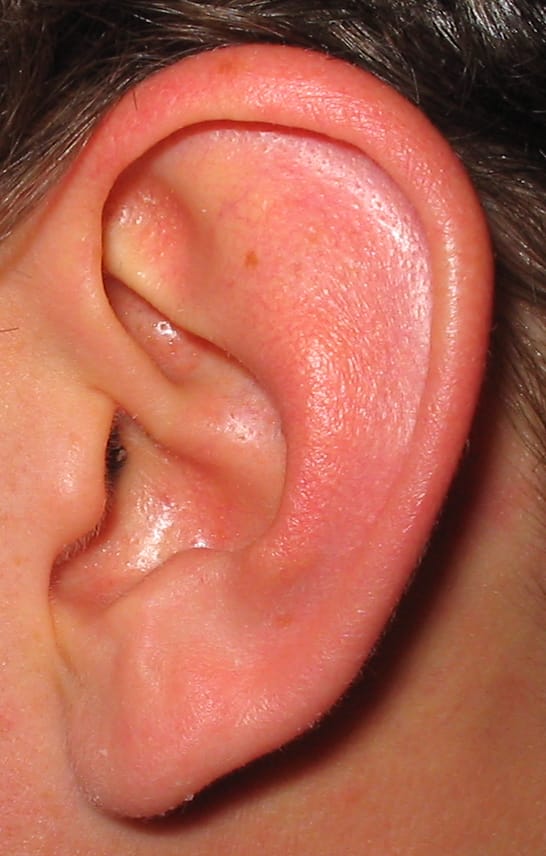
Ear close-up representing active listening for counselling training and therapy courses in Liverpool

Hypnotherapy Training Effective Voice Usage in Hypnotherapy: Tone, Pacing, and Delivery Published June 2026 In hypnotherapy, the practitioner’s voice is the primary therapeutic instrument. Unlike other talking therapies where content and insight drive change, hypnotherapy relies heavily on the manner of delivery – the tone, rhythm, pace, and pitch of the spoken word – to

Effective Voice Usage in Hypnotherapy: Tone, Pacing, and Delivery Read More »

Introduction to NLP: Core Concepts and Their Relevance to Hypnotherapy

Head silhouette of bare tree branches symbolising mental health and therapeutic growth, counselling training Liverpool

Hypnotherapy Training Introduction to NLP: Core Concepts and Their Relevance to Hypnotherapy Published June 2026 Neurolinguistic programming (NLP) is a set of models and techniques developed in the 1970s by Richard Bandler and John Grinder through their study of effective therapists – most notably Milton H. Erickson, Virginia Satir, and Fritz Perls. NLP has become

Introduction to NLP: Core Concepts and Their Relevance to Hypnotherapy Read More »

Safety, Modalities, and Sub-Modalities in Hypnotherapy Practice

All-seeing eye and pyramid with "Annuit Coeptis" and "Novus Ordo Seclorum" — symbolic motif for hypnotherapy training

Hypnotherapy Training Safety, Modalities, and Sub-Modalities in Hypnotherapy Practice Published June 2026 Safe and effective hypnotherapy practice requires practitioners to understand both the boundaries of their discipline and the perceptual structures through which clients experience their inner world. This article addresses two interconnected areas of clinical hypnotherapy training: the safety and ethical framework that governs

Safety, Modalities, and Sub-Modalities in Hypnotherapy Practice Read More »

Metaphor in Therapeutic Practice: Storytelling as a Tool for Change

Open book lit by candle, symbolising reflective practice and evidence-based counselling training in Liverpool

Hypnotherapy Training Metaphor in Therapeutic Practice: Storytelling as a Tool for Change Published June 2026 Metaphor is one of the most ancient and powerful tools in therapeutic practice. From Aesop’s fables to Milton Erickson’s elaborate therapeutic tales, storytelling has been used across cultures and across centuries to communicate truths that direct instruction cannot reach. In

Metaphor in Therapeutic Practice: Storytelling as a Tool for Change Read More »

Aversion Therapy in Hypnotherapy: Principles, Techniques, and Ethical Considerations

Turtle and coot on a sunlit log over water, calm nature scene for therapy training and professional development, Liverpool

Hypnotherapy Training Aversion Therapy in Hypnotherapy: Principles, Techniques, and Ethical Considerations Published June 2026 Aversion therapy is a behaviour modification approach that seeks to reduce or eliminate an unwanted behaviour by associating it with an unpleasant experience or response. Within clinical hypnotherapy, aversion techniques are used primarily in the context of habit change – most

Aversion Therapy in Hypnotherapy: Principles, Techniques, and Ethical Considerations Read More »

Regression in Hypnotherapy: Theory, Technique, and Responsible Practice

Person with colourful face and body paint seated by a tree, relaxed outdoor scene promoting wellbeing and counselling training Liverpool

Hypnotherapy Training Regression in Hypnotherapy: Theory, Technique, and Responsible Practice Published June 2026 Regression is one of the most powerful and, if misused, potentially most harmful techniques available to the clinical hypnotherapist. It involves guiding a client, under hypnosis, to revisit earlier experiences or periods of their life in order to explore, understand, or resolve

Regression in Hypnotherapy: Theory, Technique, and Responsible Practice Read More »

Self-Hypnosis: Techniques, Benefits, and Clinical Applications

Lifebuoy on sandy beach, woman sitting by sea — evokes mindfulness and relaxation for counselling training in Liverpool

Hypnotherapy Training Self-Hypnosis: Techniques, Benefits, and Clinical Applications Published June 2026 Self-hypnosis is the practice of inducing a hypnotic state in oneself, without the guidance of a practitioner. It is both a therapeutic tool in its own right and a valuable adjunct to clinical hypnotherapy sessions. For students and practitioners, developing proficiency in self-hypnosis deepens

Self-Hypnosis: Techniques, Benefits, and Clinical Applications Read More »