What is Integrative Counselling?
Integrative counselling is a modern, flexible, and highly effective approach to therapy. This guide explains what it means to be an integrative therapist and why it's at the core of our training philosophy at UK Therapy Guild.
Why Not Just One Approach?
Common Modalities
Benefits of an Integrative Model
The Integrative Path at UKTG
Why Not Just One Approach? The Mechanic's Toolkit Analogy
Imagine a mechanic who only owns a single wrench. They might be brilliant with that one tool, but they can only fix a specific set of problems. If a car needs a different tool, they're stuck.
A therapist who adheres to a single modality faces a similar dilemma. While that one approach might be excellent for some clients, no single theory holds the answer to every human problem. Human beings are far too complex.
Integrative counselling solves this by giving the therapist a full toolkit. Instead of being limited to one model, an integrative therapist can draw from several different theories, blending them to create a unique therapeutic approach tailored specifically to each individual client's needs, beliefs, and personality.

An integrative approach brings together the best of different theories to treat the whole person.
The Modalities We Integrate
An integrative therapist is trained in several core therapeutic schools of thought. At UK Therapy Guild, our Professional Practitioner Programme ensures you are proficient in a range of essential models, including:
Person-Centred Therapy
This approach places the client at the centre of their own healing. The therapist provides empathy, congruence, and unconditional positive regard to create a safe space for the client to explore their own feelings and find their own solutions.
Psychodynamic Therapy
Rooted in the work of Freud, this model focuses on how past experiences, especially from childhood, unconsciously shape our current thoughts, feelings, and behaviours. It helps clients understand the root causes of their difficulties.
Cognitive Behavioural Therapy (CBT)
CBT is a practical, goal-oriented approach that focuses on the connection between thoughts (cognitions), feelings, and actions (behaviours). It helps clients identify and change unhelpful thinking patterns and behaviours.
Gestalt Therapy
This approach focuses on the "here and now." It helps clients increase their self-awareness and take responsibility for their experiences, often using creative techniques to explore unresolved issues.
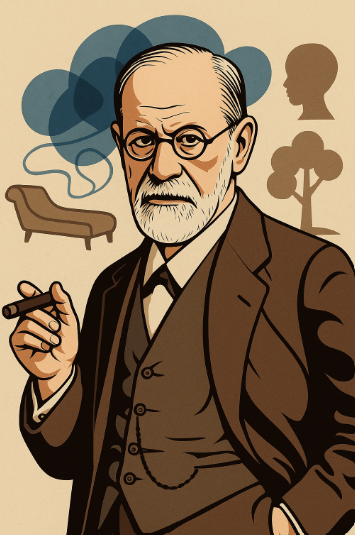
Becoming an integrative therapist means building a rich library of knowledge and skills.
Benefits of an Integrative Model
For the Client
- A Personalised Experience: Therapy is not one-size-fits-all. It is tailored to their specific needs.
- Holistic Healing: It addresses the whole person—mind, body, and emotions.
- Empowering: It offers a range of tools and perspectives, empowering the client in their healing journey.
For You, the Therapist
- Increased Versatility: You will have a comprehensive toolkit to help a wider range of clients with diverse issues.
- Deeper Understanding: You gain a more profound understanding of human psychology by looking through multiple theoretical lenses.
- Professional Flexibility: You are not locked into one way of working, allowing for a more creative and responsive practice.
The Integrative Path at UK Therapy Guild
Our Professional Practitioner Programme is founded on this integrative philosophy. We believe that to become a truly effective therapist, you must be adaptable, knowledgeable, and client-focused. Our curriculum is designed not just to teach you different theories, but to show you how to blend them ethically and effectively.
By training with us, you are embarking on a path to become a versatile and highly competent practitioner, ready to meet the real-world demands of a professional counselling career. This approach is fundamental to providing the highest standard of care and is a key step on your path to BACP membership.

Ready to build your therapeutic toolkit? Discover our Professional Practitioner Programme in Integrative Counselling & Clinical Hypnotherapy.