UK Therapy Guild

Case Conceptualisation in Counselling: Making Sense of the Client’s Story

Study desk with open textbooks, scattered notes and pinned reminders — messy revision scene for counselling training Liverpool

Counselling Training Case Conceptualisation in Counselling: Making Sense of the Client’s Story Published June 2026 When a client sits down and begins to describe what has brought them to counselling, the counsellor is not simply listening – they are beginning to build a picture of how that person’s difficulties have come about and what might […]

Case Conceptualisation in Counselling: Making Sense of the Client’s Story Read More »

Child Development and Attachment Theory in Counselling

Mother and child seated watching a screen, illustrating parent–child attachment for counselling training in Liverpool

Counselling Training Child Development and Attachment Theory in Counselling Published June 2026 The bonds formed in early childhood shape how people relate to themselves and others throughout life. Attachment theory, developed by John Bowlby and extended by Mary Ainsworth and others, provides counsellors with a powerful framework for understanding adult relational patterns, emotional regulation, and

Child Development and Attachment Theory in Counselling Read More »

Trauma-Informed Practice in Counselling: Understanding and Working with Trauma

Turtle and coot on a sunlit log over water, calm nature scene for therapy training and professional development, Liverpool

Counselling Training Trauma-Informed Practice in Counselling: Understanding and Working with Trauma Published June 2026 Trauma is not simply a painful memory – it is an experience that reshapes how the nervous system responds to the world. Counsellors working without an understanding of trauma risk inadvertently re-traumatising clients or misreading survival responses as resistance. This article

Trauma-Informed Practice in Counselling: Understanding and Working with Trauma Read More »

Group Work in Counselling: Theory, Practice and Therapeutic Factors

Whimsical yellow and orange cartoon faces clustered like a family, symbolising group diversity for counselling and therapy training in Liverpool

Counselling Training Group Work in Counselling: Theory, Practice and Therapeutic Factors Published June 2026 Group work is one of the most powerful and underappreciated modalities in counselling and psychotherapy. Whether in a structured psychoeducation group, a support group for people with shared experiences, or an unstructured process group exploring interpersonal dynamics in the here-and-now, groups

Group Work in Counselling: Theory, Practice and Therapeutic Factors Read More »

Working with Diversity in Counselling: Cultural Competence and Anti-Discriminatory Practice

Whimsical yellow and orange cartoon faces clustered like a family, symbolising group diversity for counselling and therapy training in Liverpool

Counselling Training Working with Diversity in Counselling: Cultural Competence and Anti-Discriminatory Practice Published June 2026 Every client brings a unique social and cultural identity into the counselling room, and so does every counsellor. When those identities differ, the potential for misunderstanding – or for the counsellor’s assumptions to go unchallenged – increases. Developing cultural competence

Working with Diversity in Counselling: Cultural Competence and Anti-Discriminatory Practice Read More »

Mental Health Awareness in Counselling: Recognising and Responding to Common Presentations

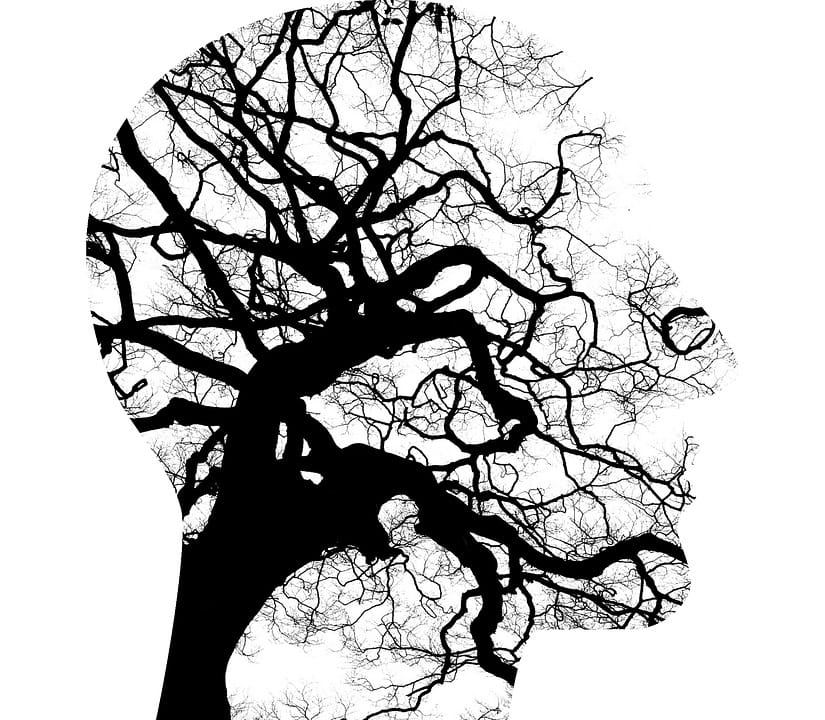
Head silhouette of bare tree branches symbolising mental health and therapeutic growth, counselling training Liverpool

Counselling Training Mental Health Awareness in Counselling: Recognising and Responding to Common Presentations Published June 2026 Counsellors are not psychiatrists or clinical psychologists, and they do not diagnose mental health conditions. However, working safely with clients requires a solid awareness of common mental health presentations – what they look like, how they affect daily functioning,

Mental Health Awareness in Counselling: Recognising and Responding to Common Presentations Read More »

Supervision and Reflective Practice in Counselling: Learning Through Experience

Study desk with open textbooks, scattered notes and pinned reminders — messy revision scene for counselling training Liverpool

Counselling Training Supervision and Reflective Practice in Counselling: Learning Through Experience Published June 2026 In counselling, the practitioner is the primary instrument of therapy – which means the quality of self-awareness, critical thinking, and ongoing learning matters as much as theoretical knowledge. Supervision and reflective practice are the two disciplines through which counsellors develop and

Supervision and Reflective Practice in Counselling: Learning Through Experience Read More »

Communication and Counselling Skills: The Building Blocks of Therapeutic Practice

Ear close-up representing active listening for counselling training and therapy courses in Liverpool

Counselling Training Communication and Counselling Skills: The Building Blocks of Therapeutic Practice Published June 2026 Counselling skills are the observable behaviours through which a counsellor creates the therapeutic conditions for change. Though they are grounded in theory, they are essentially practical: they are learned, practised, refined through feedback, and gradually integrated into natural therapeutic presence.

Communication and Counselling Skills: The Building Blocks of Therapeutic Practice Read More »