
Sound Baths: Therapeutic Use and Evidence Base
Sound baths have grown significantly in popularity as a complementary wellness practice over the past decade. Found now in yoga studios, meditation centres, and dedicated therapeutic settings, they are often described as deeply relaxing and restorative experiences. But what exactly is a sound bath, where does the practice come from, and what does the evidence actually say about its effects? This article explores the background, proposed mechanisms, and current research – and considers how sound-based practices relate to hypnotherapy and holistic wellbeing.
What Is a Sound Bath?
A sound bath is a meditative experience in which participants lie or sit still while a practitioner produces sustained, resonant sounds using various instruments. The term “bath” refers not to water but to being immersed in sound – the intention is that participants allow the sounds to wash over and through them, moving from ordinary waking awareness into a more receptive, relaxed state.
Common instruments used in sound baths include:
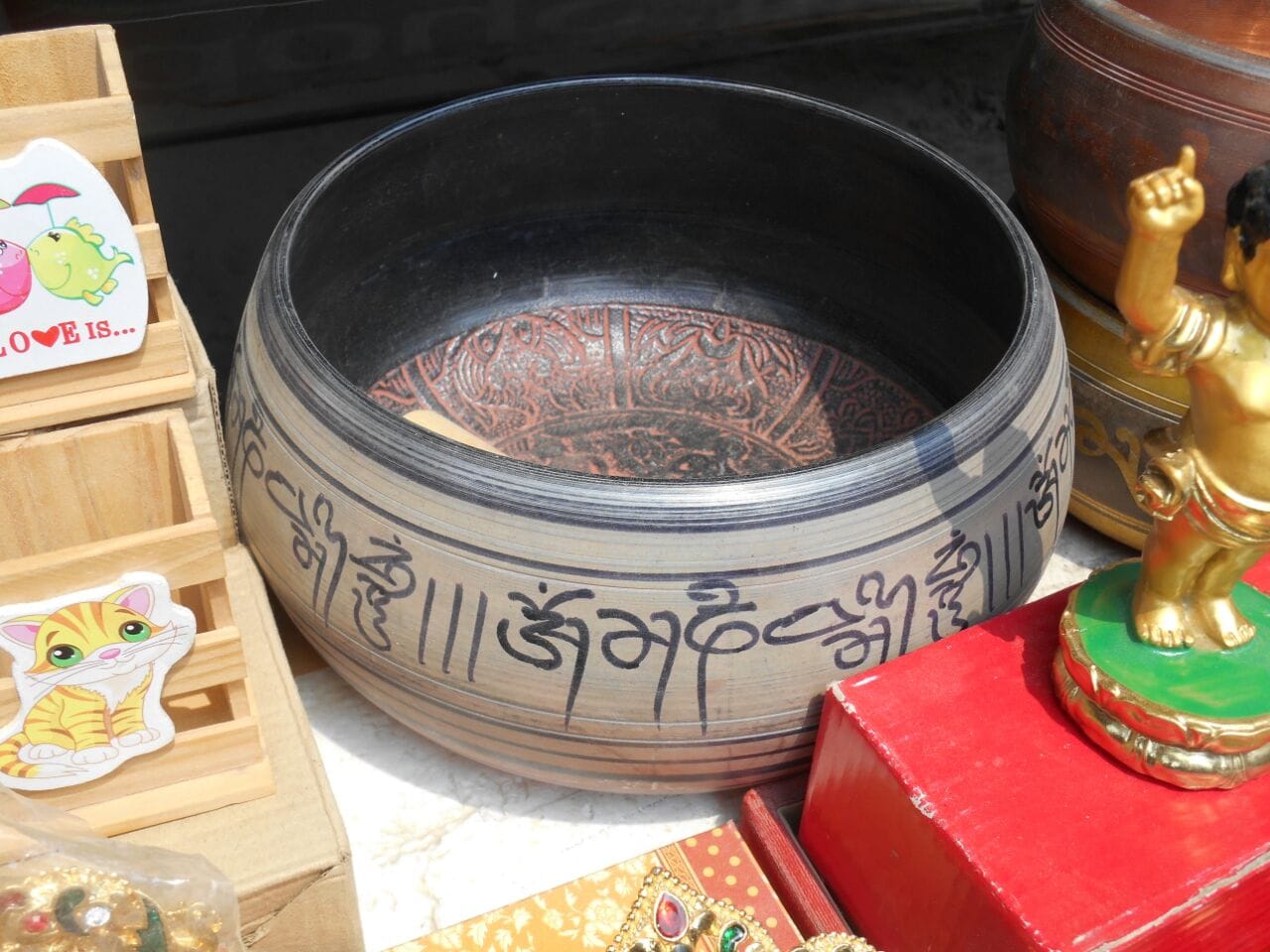
- Tibetan singing bowls: metal bowls that produce a sustained tone when struck or circled with a mallet. Despite the name, their use as a therapeutic or meditative tool in the West developed primarily during the 20th century, drawing on Himalayan craft traditions rather than any documented ancient practice
- Crystal singing bowls: made from quartz crystal, producing a cleaner, more sustained resonance than metal bowls
- Gongs: large metal discs that produce complex, layered sounds that shift over time as they vibrate
- Tuning forks: precisely calibrated metal forks that produce a pure tone at a specific frequency, sometimes applied to the body or held near the ears
- Other instruments: chimes, shruti boxes, didgeridoos, drums, and voice are also used in various traditions
Sessions typically last between 30 minutes and an hour. Participants are usually guided to lie down on a mat, often with a blanket and eye mask, and to release expectations about what they will experience.
Historical and Cultural Background
The use of sound as a healing modality has roots across many cultures and throughout recorded history. Indigenous cultures around the world have used drums, chanting, and other sound-based practices in ceremonial and healing contexts. In ancient Greece, music was used in healing temples associated with the god Asclepius. Tibetan Buddhist traditions have used bells, bowls, and chanting as part of meditative and ritual practice for centuries.
The contemporary Western sound bath draws loosely on these traditions but is largely a modern synthesis. It emerged more prominently in the 1960s and 1970s alongside broader interest in Eastern contemplative practices and has grown into a distinct commercial and therapeutic sector. It is important to acknowledge that many practitioners frame their work within cultural contexts that are not their own, which raises questions about cultural appropriation and authenticity that are actively debated within the field.
Proposed Mechanisms
Several mechanisms have been proposed to explain why sound baths might produce beneficial effects. It is worth being clear that these are largely theoretical and not yet well supported by robust scientific evidence.
Resonance and sympathetic vibration – the idea that the body, which is largely composed of water, responds to sound frequencies and enters into resonance with them. Proponents suggest this can shift the physical or energetic state of cells and tissues, though this has not been demonstrated in controlled research.
Entrainment – a well-established physical principle by which two oscillating systems will synchronise over time when in proximity. Some practitioners suggest that brainwave activity may entrain to the frequencies produced during a sound bath, potentially facilitating movement into relaxed or meditative brainwave states (alpha or theta waves). There is limited empirical support for this in the context of sound baths specifically, though brainwave entrainment is an established area of research using binaural beats.
The relaxation response – the most straightforward explanation, and the one with the most plausible evidence base. Sound baths may simply provide a structured environment for deep relaxation, in the same way that other mindfulness and body-based practices do. The combination of a quiet, safe space, a guided invitation to rest, gentle sensory stimulation, and a social context of shared stillness is likely to activate the parasympathetic nervous system, reducing stress hormones and promoting physiological calm.
What Does the Research Say?
It is important to be honest about the state of the evidence. Research into sound baths is in its early stages, and the available studies are generally small, lack control groups, and are methodologically limited. That said, some findings are worth noting.
A study by Goldsby et al. (2017), published in the Journal of Evidence-Based Integrative Medicine, examined 62 adults before and after a Tibetan singing bowl meditation. Participants reported significant reductions in tension, anxiety, and depressed mood, and increases in feelings of spiritual wellbeing. Physical tension and pain also decreased. The authors acknowledged the lack of a control group as a significant limitation.
A 2020 pilot study by Landry (published in Journal of Evidence-Based Integrative Medicine) found reduced anxiety and improved mood following a gong meditation session, though again the sample was small and uncontrolled.
Research on singing bowl vibration and blood pressure has shown promising but inconclusive results. A study by Inácio et al. (2020) found reductions in systolic blood pressure following a sound relaxation session, but the authors were cautious about drawing conclusions given the study’s limitations.
Overall, the evidence suggests that sound baths may be beneficial for stress reduction, relaxation, and subjective wellbeing – but there is not yet sufficient high-quality research to support stronger therapeutic claims. Most researchers in this area call for larger, randomised controlled trials before firm conclusions can be drawn.
Relationship to Mindfulness and Complementary Therapy
Sound baths share significant common ground with mindfulness-based practices. Both involve directing attention to present-moment experience, suspending analytical thought, and cultivating a receptive rather than reactive mental state. Many participants describe the sound bath experience in terms very similar to those used to describe deep mindfulness meditation – a sense of timelessness, physical heaviness, imagery, and emotional release.
Within the broader landscape of complementary and integrative health, sound therapy sits alongside other sensory modalities such as aromatherapy, massage, and acupuncture. The NHS does not currently fund sound therapy, and it is not recognised as a treatment for specific clinical conditions. However, in the context of general wellbeing support, stress management, and adjunctive care, it is increasingly included in settings that take a holistic approach to health.
Relevance to Hypnotherapy Practice
For practitioners in the field of clinical hypnotherapy and holistic therapy, sound baths are a relevant area of knowledge for several reasons. The altered state of consciousness that participants often report during a sound bath – characterised by deep relaxation, reduced critical faculty, and heightened receptivity – shares features with the hypnotic trance state. Both involve a shift away from ordinary waking awareness and may access deeper levels of the mind.
Some hypnotherapists incorporate sound elements into their practice, using music, binaural beats, or singing bowls as part of induction or deepening procedures. The calming, absorbing quality of sustained sound can support the relaxation phase of a hypnotherapy session and help clients disengage from intrusive thoughts.
Beyond direct integration into therapy sessions, awareness of complementary practices like sound baths allows holistic practitioners to understand the broader context of a client’s wellness journey and make informed referrals or recommendations where appropriate.
Conclusion: Sound Baths and Holistic Practice
Sound baths offer a structured, accessible route to deep relaxation and may support stress reduction and improved mood, though the evidence base remains limited and further research is needed. For counsellors, hypnotherapists, and holistic practitioners, an understanding of sound-based practices – their background, their proposed mechanisms, and the honest state of the evidence – equips practitioners to discuss them knowledgeably with clients and to situate them appropriately within a broader framework of wellbeing support.
References
- Goldsby, T. L., Goldsby, M. E., McWalters, M., & Mills, P. J. (2017). Effects of singing bowl sound meditation on mood, tension, and well-being: An observational study. Journal of Evidence-Based Integrative Medicine, 22(3), 401-406. doi.org/10.1177/2156587216668109
- Landry, J. M. (2014). Physiological and psychological effects of a Himalayan singing bowl in meditation practice: A quantitative analysis. American Journal of Health Promotion, 28(5), 306-309. doi.org/10.4278/ajhp.121026-QUAN-528
- Inácio, P., Lopes, A., & Figueiras, M. J. (2020). Sound relaxation intervention: A pilot study evaluating the effects on blood pressure. Holistic Nursing Practice, 34(4), 231-238.
- Wahbeh, H., Calabrese, C., Zwickey, H., & Zajdel, D. (2007). Binaural beat technology in humans: A pilot study to assess psychologic and physiologic effects. Journal of Alternative and Complementary Medicine, 13(1), 25-32. doi.org/10.1089/acm.2006.6196
- NHS. (2023). Complementary and alternative medicine. NHS. nhs.uk/conditions/complementary-and-alternative-medicine/